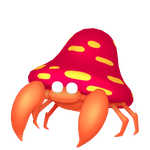
Parasect パラセクト
Bicho
Planta
Generación I
Pokémon Hongo
Altura 1.0m Peso 29.5kg
Efecto Espora
Piel Seca
Humedad (Habilidad oculta)
Perfil del Pokémon
A host-parasite pair in which the parasite mushroom has taken over the host bug. Prefers damp places.
Estadísticas base
Estadísticas base de la forma:Parasect · Total 405
PS
60
Ataque
95
Defensa
80
At. Esp.
60
Def. Esp.
80
Velocidad
30
Información básica
- Proporción de género
- ♂ 50% / ♀ 50%
- Tasa de captura
- 75(9.8%)
- Grupos huevo
- Bicho / Planta
- Ciclos de eclosión
- 20
- Amistad base
- 70
- EV que otorga
- Ataque+2、Defensa+1
- Experiencia base
- 142
- Forma del cuerpo
- Tipo insecto
- Color
- Rojo
- Experiencia
- 1,000,000(Rápido medio)
Ventajas de tipos Ver la tabla completa de tipos →
Defensivo (al ser atacado)
Debilidad ×4
Fuego ×4
Volador ×4
Resistencia 1/4
Planta ×0.25
Tierra ×0.25
Resistencia 1/2
Agua ×0.5
Eléctrico ×0.5
Lucha ×0.5
Ofensivo (al atacar)
Debilidad ×2
Agua ×2
Planta ×2
Tierra ×2
Psíquico ×2
Roca ×2
Siniestro ×2
Resistencia 1/2
Fuego ×0.5
Veneno ×0.5
Volador ×0.5
Acero ×0.5
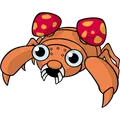
Cadena evolutiva

Movimientos aprendibles
| Nivel | Movimientos | Tipo | Categoría | Potencia | Precisión | PP |
|---|---|---|---|---|---|---|
| — | Veneno X | Veneno | Físico | 70 | 100 | 20 |
| — | Arañazo | Normal | Físico | 40 | 100 | 35 |
| — | Paralizador | Planta | Estado | — | 75 | 30 |
| — | Polvo Veneno | Veneno | Estado | — | 75 | 35 |
| — | Absorber | Planta | Especial | 20 | 100 | 25 |
| 6 | Paralizador | Planta | Estado | — | 75 | 30 |
| 6 | Polvo Veneno | Veneno | Estado | — | 75 | 35 |
| 11 | Absorber | Planta | Especial | 20 | 100 | 25 |
| 17 | Corte Furia | Bicho | Físico | 40 | 95 | 20 |
| 22 | Espora | Planta | Estado | — | 100 | 15 |
| 29 | Cuchillada | Normal | Físico | 70 | 100 | 20 |
| 37 | Desarrollo | Normal | Estado | — | — | 20 |
| 44 | Gigadrenado | Planta | Especial | 75 | 100 | 10 |
| 51 | Aromaterapia | Planta | Estado | — | — | 5 |
| 59 | Polvo Ira | Bicho | Estado | — | — | 20 |
| 66 | Tijera X | Bicho | Físico | 80 | 100 | 15 |
| MT | Movimientos | Tipo | Categoría | Potencia | Precisión | PP |
|---|---|---|---|---|---|---|
| 招式学习器09 | Semilladora | Planta | Físico | 25 | 100 | 30 |
| 招式学习器11 | Día Soleado | Fuego | Estado | — | — | 5 |
| 招式学习器15 | Hiperrayo | Normal | Especial | 150 | 90 | 5 |
| 招式学习器16 | Pantalla de Luz | Psíquico | Estado | — | — | 30 |
| 招式学习器17 | Protección | Normal | Estado | — | — | 10 |
| 招式学习器19 | Gigadrenado | Planta | Especial | 75 | 100 | 10 |
| 招式学习器22 | Rayo Solar | Planta | Especial | 120 | 100 | 10 |
| 招式学习器28 | Excavar | Tierra | Físico | 80 | 100 | 10 |
| 招式学习器31 | Demolición | Lucha | Físico | 75 | 100 | 15 |
| 招式学习器32 | Doble Equipo | Normal | Estado | — | — | 15 |
| 招式学习器36 | Bomba Lodo | Veneno | Especial | 90 | 100 | 10 |
| 招式学习器40 | Golpe Aéreo | Volador | Físico | 60 | — | 20 |
| 招式学习器42 | Imagen | Normal | Físico | 70 | 100 | 20 |
| 招式学习器44 | Descanso | Psíquico | Estado | — | — | 10 |
| 招式学习器45 | Atracción | Normal | Estado | — | 100 | 15 |
| 招式学习器46 | Ladrón | Siniestro | Físico | 60 | 100 | 25 |
| 招式学习器53 | Energibola | Planta | Especial | 90 | 100 | 10 |
| 招式学习器54 | Falso Tortazo | Normal | Físico | 40 | 100 | 40 |
| 招式学习器58 | Aguante | Normal | Estado | — | — | 10 |
| 招式学习器68 | Gigaimpacto | Normal | Físico | 150 | 90 | 5 |
| 招式学习器70 | Destello | Normal | Estado | — | 100 | 20 |
| 招式学习器75 | Danza Espada | Normal | Estado | — | — | 20 |
| 招式学习器81 | Tijera X | Bicho | Físico | 80 | 100 | 15 |
| 招式学习器82 | Sonámbulo | Normal | Estado | — | — | 10 |
| 招式学习器86 | Hierba Lazo | Planta | Especial | — | 100 | 20 |
| 招式学习器87 | Contoneo | Normal | Estado | — | 85 | 15 |
| 招式学习器90 | Sustituto | Normal | Estado | — | — | 10 |
| 招式学习器93 | Corte | Normal | Físico | 50 | 95 | 30 |
| 招式学习器98 | Golpe Roca | Lucha | Físico | 40 | 100 | 15 |
Movimientos competitivos y sets de Parasect
Los movimientos de Parasect cubren 7 generaciones y 10 formatos con 17 sets en total, incluyendo movimientos, habilidades, objetos, naturalezas, EVs y tipos Tera con análisis.
7 Generación
10 Formato
17 set
Ver todos los movimientos
Entradas del Pokédex
Generation I
- Red:
- A host-parasite pair in which the parasite mushroom has taken over the host bug. Prefers damp places.
- Yellow:
- The bug host is drained of energy by the mushrooms on its back. They appear to do all the thinking.
Generation II
- Gold:
- It stays mostly in dark, damp places, the preference not of the bug, but of the big mush rooms on its back.
- Silver:
- The larger the mushroom on its back grows, the stronger the mush room spores it scatters.
- Crystal:
- When nothing's left to extract from the bug, the mushrooms on its back leave spores on the bug's egg.
Generation III
- Ruby:
- PARASECT is known to infest large trees en masse and drain nutrients from the lower trunk and roots. When an infested tree dies, they move onto another tree all at once.
- Emerald:
- PARASECT are known to infest the roots of large trees en masse and drain nutrients. When an infested tree dies, they move onto another tree all at once.
- FireRed:
- It scatters toxic spores from the mushroom cap. In China, the spores are used as herbal medicine.
- LeafGreen:
- A host-parasite pair in which the parasite mushroom has taken over the host bug. Prefers damp places.
Generation IV
- Diamond:
- A mushroom grown larger than the host’s body controls PARASECT. It scatters poisonous spores.
- Pearl:
- It is controlled by a mushroom grown larger than the bug body. It is said to prefer damp places.
- HeartGold:
- It stays mostly in dark, damp places, the preference not of the bug, but of the big mushroom on its back.
- SoulSilver:
- The larger the mushroom on its back grows, the stronger the mushroom spores it scatters.
Generation V
- Black:
- A mushroom grown larger than the host’s body controls Parasect. It scatters poisonous spores.
Generation VI
- X:
- A mushroom grown larger than the host’s body controls Parasect. It scatters poisonous spores.
- Y:
- The larger the mushroom on its back grows, the stronger the mushroom spores it scatters.
- Omega Ruby:
- Parasect is known to infest large trees en masse and drain nutrients from the lower trunk and roots. When an infested tree dies, they move onto another tree all at once.
Generation VII
- Sun:
- The large mushroom on its back controls it. It often fights over territory with Shiinotic.
- Moon:
- It scatters toxic spores from its mushroom cap. Once harvested, these spores can be steeped and boiled down to prepare herbal medicines.
- Ultra Sun:
- The bug is mostly dead, with the mushroom on its back having become the main body. If the mushroom comes off, the bug stops moving.
- Ultra Moon:
- Its poisonous spores are also used in traditional medicine. Apparently, spores produced in Alola are not of very good quality.
- Let's Go Pikachu:
- The bug host is drained of energy by the mushroom on its back. The mushroom appears to do all the thinking.
Generation VIII
- Legends: Arceus:
- Mushroom-lacking specimens of this Pokémon lie unmoving in the forest, lending credence to the hypothesis that the large mushroom is in control of Parasect's actions.